


Transitioning Away from Opioids: A Path to Sustainable Pain Management
페이지 정보
작성자 Launa Fitzgibbo… 댓글 0건 조회 14회 작성일 26-01-14 06:41본문
For many people managing chronic pain, shifting from opioid-based treatments to non-addictive options is a vital pathway to lasting wellness and freedom from addiction risks
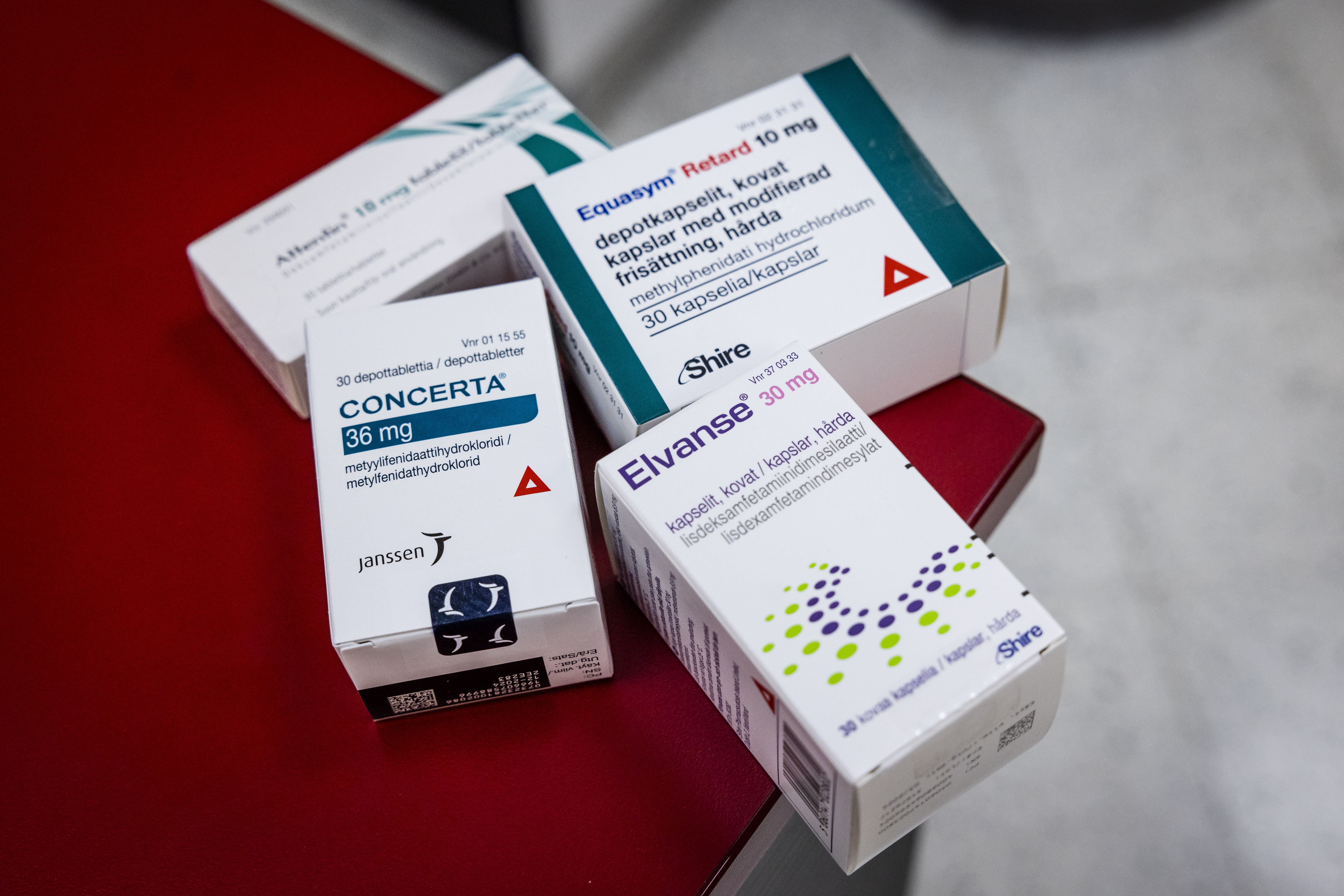
Opioids are often initially given for short-term trauma or post-operative care, yet prolonged use can foster dependence even after the injury has fully resolved
The journey away from opioids requires careful planning, medical supervision, and a personalized approach that addresses both physical and psychological aspects of pain management
Your first move should be a consultation with a provider trained in pain management and opioid withdrawal protocols
Quitting cold turkey often causes intense discomfort like sweating, tremors, gastrointestinal upset, and insomnia, increasing the chance of relapse
A gradual reduction in dosage, tailored to the individual’s tolerance and pain levels, helps minimize these effects and increases the likelihood of success
Complementing tapering with non-drug interventions that tackle pain at its source is key to lasting relief
Many individuals with back, neck, or limb pain find profound improvement through targeted rehabilitation programs
Combining therapeutic movement, soft tissue work, and body awareness training helps countless people regain function naturally
Similarly, acupuncture, chiropractic care, and massage therapy have shown promise in reducing pain and improving mobility for a variety of conditions
Psychological and Kup tabletki Ativan z lorazepamem na receptę online holistic strategies are indispensable in reshaping how pain is experienced
CBT empowers patients to alter negative thought patterns around pain, lessening its psychological burden and intensity
Mindfulness meditation, deep breathing techniques, and yoga can lower stress hormones and promote relaxation, which in turn reduces the perception of pain
Instead of depending on pills, patients gain agency through practices they can control daily
In addition to behavioral strategies, certain nonaddictive medications can be used to manage pain
Drugs like Cymbalta and Elavil are frequently used to treat neuropathic pain and widespread syndromes such as fibromyalgia
Anticonvulsants like gabapentin and pregabalin can also be effective for neuropathic pain
For low to moderate discomfort, common OTC agents like Tylenol and ibuprofen can be safe and effective when taken properly
Daily routines outside of clinical care are powerful drivers of lasting improvement
Walking, swimming, cycling, or light strength training all contribute to reduced pain sensitivity and greater stamina
Eating nutrient-dense, anti-inflammatory foods—including salmon, kale, walnuts, and blueberries—helps quiet the body’s inflammatory response
Sufficient sleep is equally important, as poor rest worsens pain sensitivity and hinders the body’s healing processes
Support systems should not be overlooked
Connecting with peers who’ve navigated the same journey offers validation, tips, and motivation to keep going
Loved ones educated about chronic pain and recovery become powerful allies in maintaining progress
It is important to recognize that setbacks may occur
Triggers like emotional strain, physical overexertion, or environmental factors can reignite symptoms and cravings
Treat slip-ups as data points—not defeats—and keep talking to your care team without shame
Adjustments to the treatment plan should be made collaboratively, without judgment
Real transformation means shifting from dependency to self-empowerment
This is about constructing a fulfilling life where pain no longer dictates your choices
When supported by expert care, holistic practices, and inner determination, patients often discover deep healing—not just from pain, but from the fear that accompanied it
댓글목록
등록된 댓글이 없습니다.

