


Weighing the Pros and Cons of Opioid and Non-Opioid Pain Medications
페이지 정보
작성자 Starla Cline 댓글 0건 조회 3회 작성일 26-01-13 22:33본문
Prescription painkillers play a critical role in modern medicine by helping patients manage acute and chronic pain following surgery, injury, or long term conditions such as arthritis or cancer
If taken strictly according to medical guidance and monitored by a licensed clinician, these drugs can dramatically enhance daily functioning, accelerate healing, and restore a sense of normalcy to patients’ lives
Yet, the benefits must be balanced against significant dangers that both patients and clinicians must acknowledge before initiating therapy
Many patients experience immediate and reliable symptom control thanks to the potency of prescribed analgesics
Opioids such as oxycodone, hydrocodone, and morphine are particularly potent in addressing severe pain that over the counter medications cannot manage
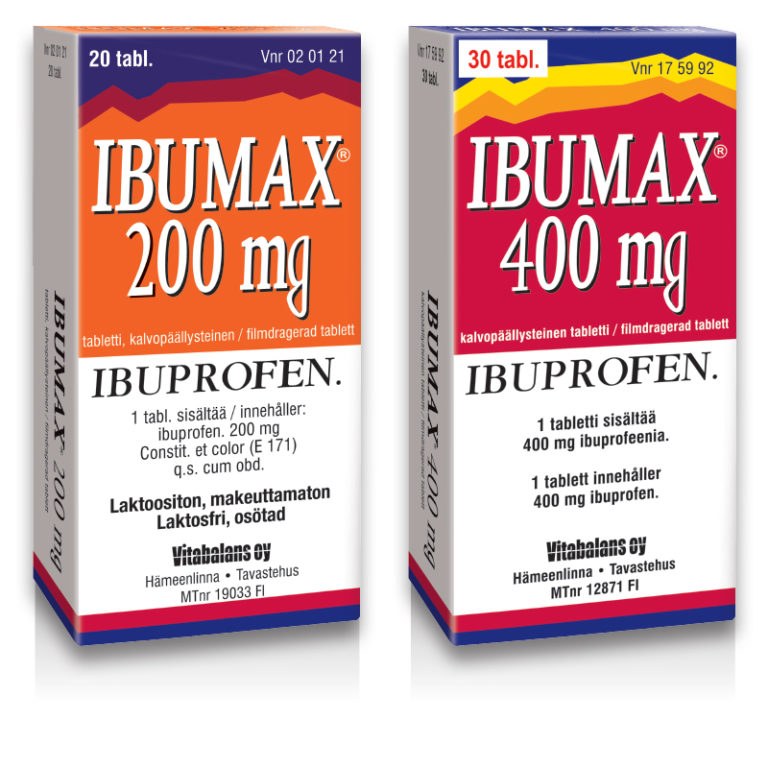
Non-opioid options including acetaminophen and specific NSAIDs are preferred for managing low-to-moderate pain due to their minimal dependency potential and established safety profiles
For many patients, especially those recovering from major procedures or living with progressive illnesses, these medications offer not just physical relief but also emotional and psychological respite from the burden of constant pain
Their clinical usefulness is counterbalanced by considerable health and social threats
Opioids, in particular, have a high potential for misuse, dependence, and addiction
Some patients, even when adhering strictly to medical instructions, may gradually require escalating doses to maintain effective pain suppression
This can inadvertently lead to physical dependence, where the body adapts to the presence of the drug and withdrawal symptoms occur if the medication is stopped abruptly
The risk of addiction is further heightened in individuals with a personal or family history of substance use disorders
Extended opioid therapy can trigger a range of adverse reactions such as chronic constipation, persistent nausea, excessive sedation, cognitive fog, and life-threatening respiratory suppression
The improper use of these drugs has fueled a widespread epidemic across numerous nations, where fatal overdoses have surged due to dangerous polydrug interactions involving alcohol, sedatives, heroin, or synthetic opioids like fentanyl
Another concern is the possibility of patients being inadequately monitored
Some patients are prescribed opioids after minimal screening, with no comprehensive evaluation of their pain trajectory, psychological state, or predisposition to substance abuse
Inadequate screening often results in over-reliance on pharmacological solutions while neglecting equally effective non-drug modalities such as exercise programs, mindfulness training, or integrative medicine approaches
Best practice standards urge doctors to exhaust safer alternatives before considering opioid prescription for persistent discomfort
Opioids should only be used in the smallest amount needed to achieve pain control and discontinued as soon as clinically appropriate
Routine patient evaluations combined with drug screening and real-time monitoring databases significantly enhance the safety of opioid prescribing
All patients should be thoroughly counseled on side effects, dependence indicators, and the importance of honest communication with their care team
Proper storage in a secure cabinet and safe disposal using community take-back programs or deactivation kits are critical to preventing accidental ingestion or diversion
Transparent, ongoing dialogue between the patient and Kup tabletki Ambien na receptę online clinician forms the foundation of responsible pain care
Ultimately, prescription painkillers are powerful tools that can bring meaningful relief when used responsibly
While their therapeutic impact is clear, the potential for harm cannot be ignored
Effective pain management requires a tailored strategy that respects each person’s unique medical, psychological, and social context
Treating pain demands nuance—not uniformity—balancing relief with risk, and prioritizing holistic health over quick fixes
댓글목록
등록된 댓글이 없습니다.

